


-

Add: HeBei ShengShi HongBang Cellulose Technology CO.,LTD.
-

Email
13180486930@163.com -

CONTACT US
+86 13180486930
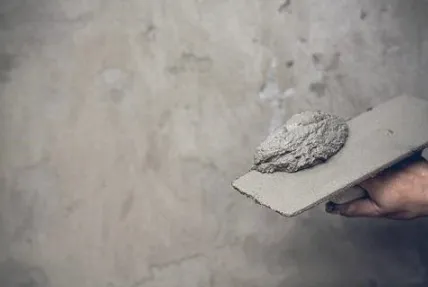
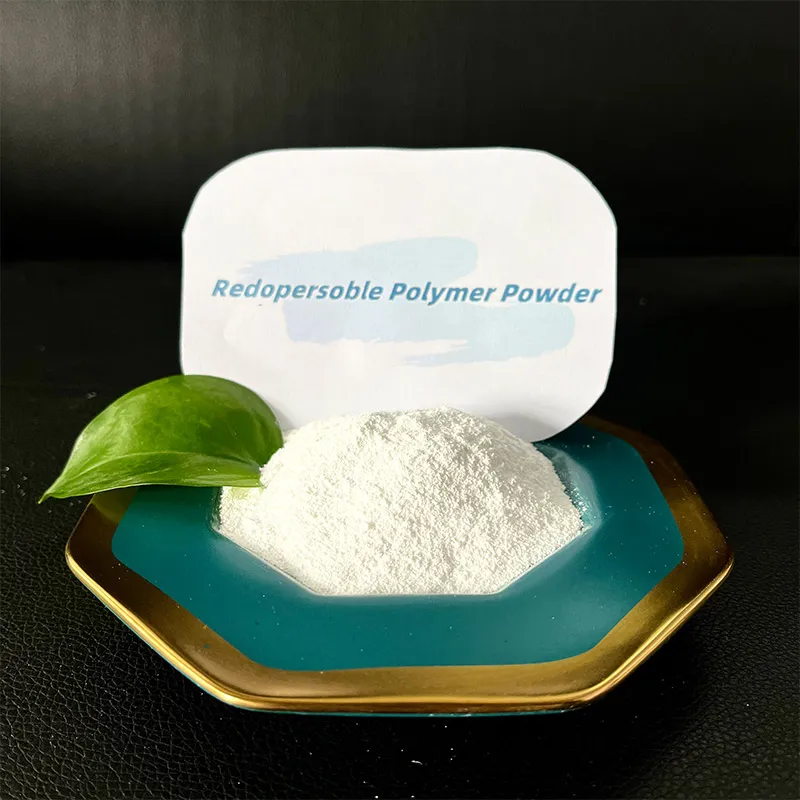
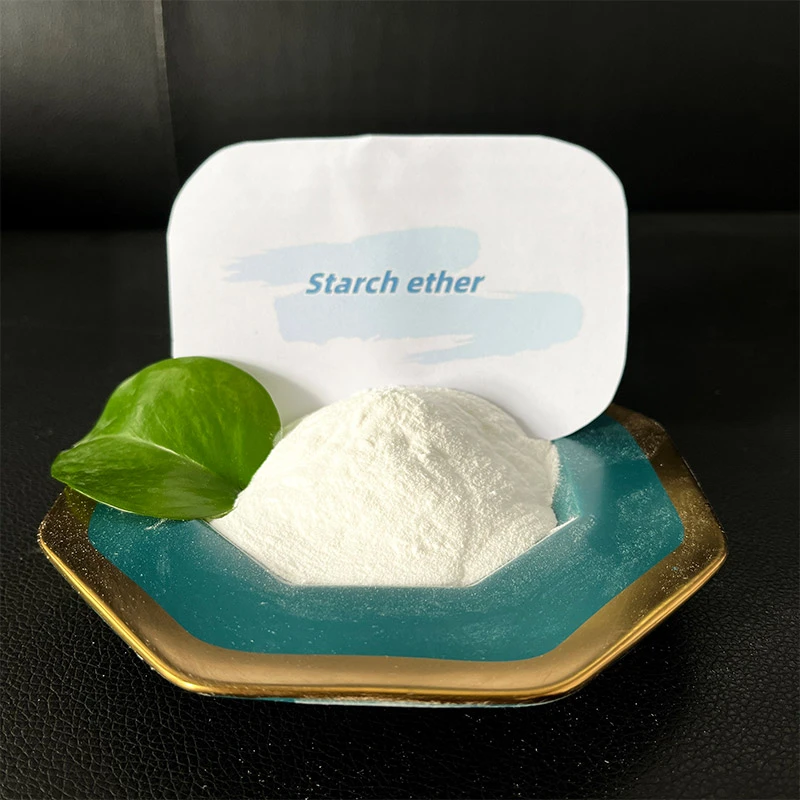
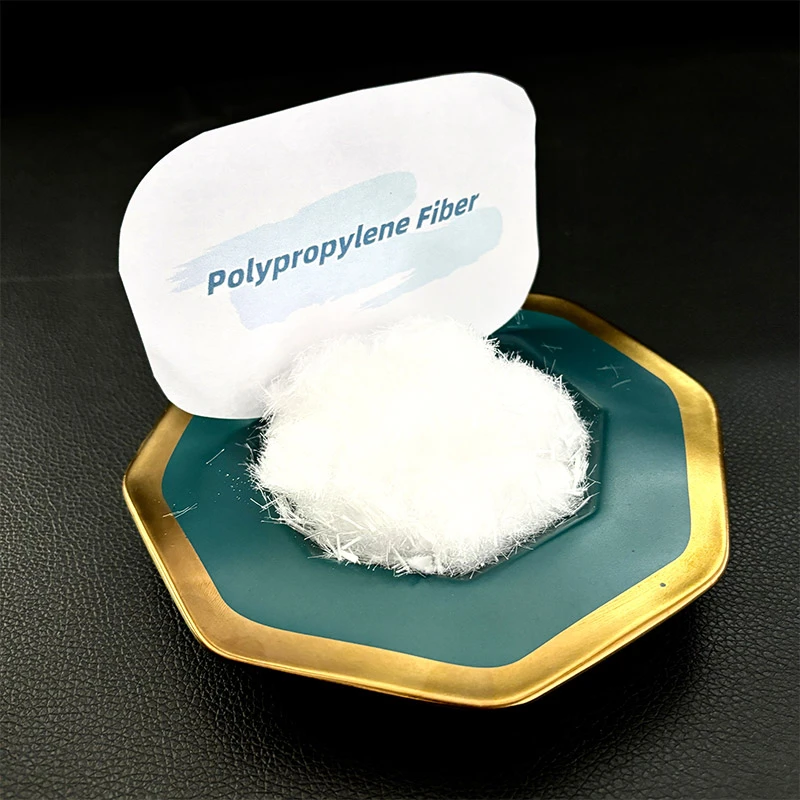


The Use of Polypropylene Fibre in Concrete Enhancing Durability and Performance Concrete is one of the most widely used construction materials in the world, renowned for its strength and durability. However, traditional concrete has inherent limitations, such as brittleness and susceptibility to cracking. To address these weaknesses, engineers and researchers have explored various methods of enhancing concrete's performance, one of which is the incorporation of polypropylene fibres. This article delves into the benefits of polypropylene fibre concrete, its applications, and its role in modern construction practices. Understanding Polypropylene Fibres Polypropylene is a thermoplastic polymer often used in a variety of applications, including packaging, textiles, and automotive components. When used as a reinforcement material in concrete, polypropylene fibres help improve the material's overall properties. These fibres are typically available in lengths ranging from 6 mm to 19 mm, depending on the specific application. Their lightweight and durable nature contribute significantly to enhancing the performance of concrete. Benefits of Polypropylene Fibre Concrete 1. Crack Control One of the most significant advantages of incorporating polypropylene fibres into concrete is their ability to control cracking. Traditional concrete can develop micro-cracks due to shrinkage, thermal changes, and stress loads. Polypropylene fibres help to inhibit the growth of these cracks by redistributing stresses within the concrete matrix. This results in improved crack resistance, particularly in thin slabs and surfaces exposed to environmental conditions. 2. Improved Impact Resistance Polypropylene fibre-reinforced concrete exhibits enhanced impact resistance compared to conventional concrete. The presence of fibres helps to absorb and dissipate energy, making the material less prone to failure under sudden loads. This property is particularly valuable in applications where high-impact forces are expected, such as in industrial flooring and pavement. 3. Increased Durability The addition of polypropylene fibres can significantly improve the durability of concrete. The fibres reduce the permeability of the concrete, thereby limiting the ingress of harmful chemicals, water, and chloride ions that can lead to corrosion of reinforcement bars. This characteristic is vital for structures exposed to harsh environmental conditions, such as marine environments or areas with high road salt usage. polypropylene fibre concrete 4. Enhanced Flexural Strength Polypropylene fibres contribute to improved flexural strength of concrete. Their presence allows for better load distribution, reducing the likelihood of bending and deformation under stress. This enhanced strength can be particularly crucial in applications such as bridges and parking structures, where load-bearing capacity is essential. 5. Reduction in Construction Costs By improving concrete’s durability and longevity, the use of polypropylene fibres often leads to reduced maintenance and repair costs over time. Furthermore, the ability to use thinner slabs without compromising performance can expedite construction processes and reduce material costs . Applications of Polypropylene Fibre Concrete The versatility of polypropylene fibre concrete makes it suitable for a multitude of applications. Its properties are particularly beneficial in - Industrial Flooring High-impact and heavy-load industrial environments benefit immensely from the use of polypropylene fibre-reinforced concrete. - Pavement and Roads The enhanced crack resistance and durability provided by polypropylene fibres help extend the lifespan of pavements and roads, thus improving safety and reducing repair frequencies. - Precast Concrete Products The use of fibres in precast products allows for thinner and lighter components without sacrificing performance, making transportation and installation easier. - Shotcrete Applications In tunneling and mining, polypropylene fibres are commonly used in shotcrete to improve stability and reduce rebound. Conclusion The integration of polypropylene fibres into concrete represents a significant advancement in construction technology. The ability to enhance fundamental properties such as crack resistance, impact strength, and durability makes polypropylene fibre concrete an attractive option for modern construction projects. As the industry continues to evolve, the adoption of such innovative solutions will likely become even more common, yielding structures that are not only stronger but also more sustainable in the long run.
- 40000tons

Production
- 20+years

Experience
- 5000+㎡

Acreage

-
Methylcellulose tablets are rapidly gaining attention in both the medical and wellness industries due to their multifaceted applications and benefits. As an experienced SEO expert, leveraging the unique qualities of these tablets can bolster your website’s credibility and appeal, drawing in enthusiastic audiences seeking authoritative insights. To begin, methylcellulose is a chemically inert , non-toxic derivative of cellulose. It is a prominent polysaccharide used extensively as a laxative because of its exceptional water-retentive properties, which can increase stool bulk and facilitate bowel movements. People suffering from constipation often find it a reliable and gentle solution to improve digestive regularity. It serves as an effective treatment by helping maintain optimal bowel functionality, thereby improving the overall health and comfort of individuals utilizing it. Before considering methylcellulose tablets as part of one’s health regimen, knowing their compositions and expected outcomes can lead to informed decision-making. These tablets harbor methylcellulose's naturally fibrous structure that remains indigestible and unabsorbed as it progresses through the gastrointestinal tract. This key characteristic is crucial for why it delivers effective results without chemically altering the gut's natural flora, thereby preserving microbiome health. Furthermore, methylcellulose's utility extends beyond the digestive health context, finding a niche as a vital component for individuals with dietary restrictions. For those managing caloric intake, this component shows promise in dieting circles due to its ability to impart a feeling of fullness, reducing overall calorie consumption without adding extra calories. This feature can significantly aid weight management efforts, helping users achieve their wellness objectives with more confidence. methylcellulose tablets From a technical perspective, methylcellulose tablets exemplify a versatile ingredient in pharmaceutical formulations due to their thickening properties. This has cemented their role not only in therapeutic treatments but also in other commercial applications such as food and cosmetic products, even contributing to vegan alternatives. Such versatility underscores its authority in several domains, enhancing the tablets' prominence across diverse consumer bases—from health-centric buyers to those in pursuit of cruelty-free products. Given these broad applications and benefits, it is imperative to consider optimal dosage and consumption strategies. Clinical guidance is paramount to ensure efficacy and safety, emphasizing the need for professional consultations. Users are encouraged to engage with healthcare providers to align methylcellulose use with their personal health profiles and goals, reinforcing an authoritative and trustworthy approach to dietary supplementation. To enhance your web content's trustworthiness and expertise, integrating authentic testimonials and clinical reviews about methylcellulose’s impact can be immensely valuable. Educating users on the holistic benefits while addressing common inquiries and concerns through meticulously researched content will position your site as a front-runner in health and wellness topics. Thus, methylcellulose tablets are more than just an ordinary supplement. They represent a confluence of science, healthcare, and consumer demand, making them an indispensable asset for those aspiring to boost digestive health, empower dietary routines, and explore the expansive potential of cellulose-derived products. Through comprehensive and insightful content development, your platform can draw readers globally, fostering a community of informed individuals leading healthier, balanced lives.
-

Hydroxypropyl methylcellulose (HPMC) is gaining attention in the haircare industry for its multifaceted benefits and versatile applications. As a non-ionic, water-soluble cellulose derivative, HPMC is known for its ability to form films and retain moisture, making it an ideal ingredient for various haircare formulations. From its excellent conditioning properties to its role in enhancing product texture and performance, HPMC is rapidly emerging as a must-have component in modern haircare solutions. Understanding the composition of HPMC is key to appreciating its benefits in haircare. HPMC is derived from natural cellulose sources like wood pulp and cotton, making it a sustainable option for eco-conscious consumers. The modification process enhances its solubility and stability, allowing it to perform effectively in a wide range of pH levels. This chemical resilience ensures that HPMC maintains its functionality, providing consistent results with every use. One of the primary benefits of incorporating HPMC into haircare products is its superior moisture retention capability. This attribute is crucial for maintaining hair hydration, preventing dryness, and enhancing overall hair manageability. HPMC's ability to form a thin, flexible film on the hair shaft helps to lock in moisture, keeping hair soft and smooth. For individuals with dry or damaged hair, products containing HPMC can be transformative, turning brittle strands into silky, resilient locks. In addition to moisture retention, HPMC is praised for its conditioning properties. It acts as a detangler, making it easier to comb and style hair without breakage. This is particularly beneficial for textured or chemically treated hair, where tangling can be a persistent issue. With HPMC-infused products, users can enjoy a smoother, more streamlined haircare routine, minimizing the stress and damage caused by traditional styling methods. Furthermore, HPMC contributes to improved product texture and viscosity, enhancing the user experience. When included in formulations, it creates a creamy consistency that glides effortlessly onto hair, providing even application and better absorption of active ingredients. This not only makes the product more pleasant to use but also ensures that users receive the full spectrum of benefits from every application, from root to tip. hydroxypropyl methylcellulose for hair In the realm of expertise and scientific research, Hydroxypropyl methylcellulose has proven its worth through rigorous testing and studies . Research has shown that HPMC's biodegradability and minimal ecological impact make it a favored choice for clean beauty brands committed to sustainable practices. Moreover, its compatibility with other natural and synthetic ingredients allows formulators to design innovative haircare solutions tailored to specific hair types and needs. Trustworthiness and safety are paramount when it comes to personal care products. HPMC is recognized as safe for use by health and regulatory bodies worldwide, including the FDA and the European Commission. Its long-standing record of safe use in both the food and cosmetic industries further underscores its reliability as a trusted haircare ingredient. Consumers can use HPMC-enhanced hair products with confidence, knowing they are choosing a safe and effective solution. Innovations in haircare continue to evolve, yet the inclusion of Hydroxypropyl methylcellulose remains a testament to the industry's commitment to blending science with natural ingredients for optimal hair health. As more individuals seek to maintain healthy hair while adhering to environmentally friendly practices, HPMC stands out as a powerful ally in achieving these goals, providing both effectiveness and peace of mind. For brands and consumers alike, Hydroxypropyl methylcellulose represents not just a trend but a proven ingredient with the potential to revolutionize the haircare sector. Its unique properties and wide-ranging benefits ensure its place as a cornerstone in the development of future haircare innovations, promising both beauty and sustainability.
advantages
-

200000 Viscosities
Excellent product
We can produce pure products up to 200,000 viscosities
-

40000 tons
High yield
We don’t stop production all year round, and the annual output can reach 40,000 tons
-

24 hours
Quality service
We provide 24-hours online reception service, welcome to consult at any time
———— Inquiry Form
Schedule A services
-
 hpmc_sds
Oct . 25, 2025
Hydroxypropyl methylcellulose (HPMC) is an exceptional multifunctional ingredient that finds various -
 non_woven_polypropylene_fiber
Oct . 25, 2025
Hypromellose, also known as hydroxypropyl methylcellulose (HPMC) , is a versatile and widely used in -
 polymer_powder
Oct . 25, 2025
Hydroxypropyl Methylcellulose (HPMC) is a multifaceted compound that has garnered significant attent


